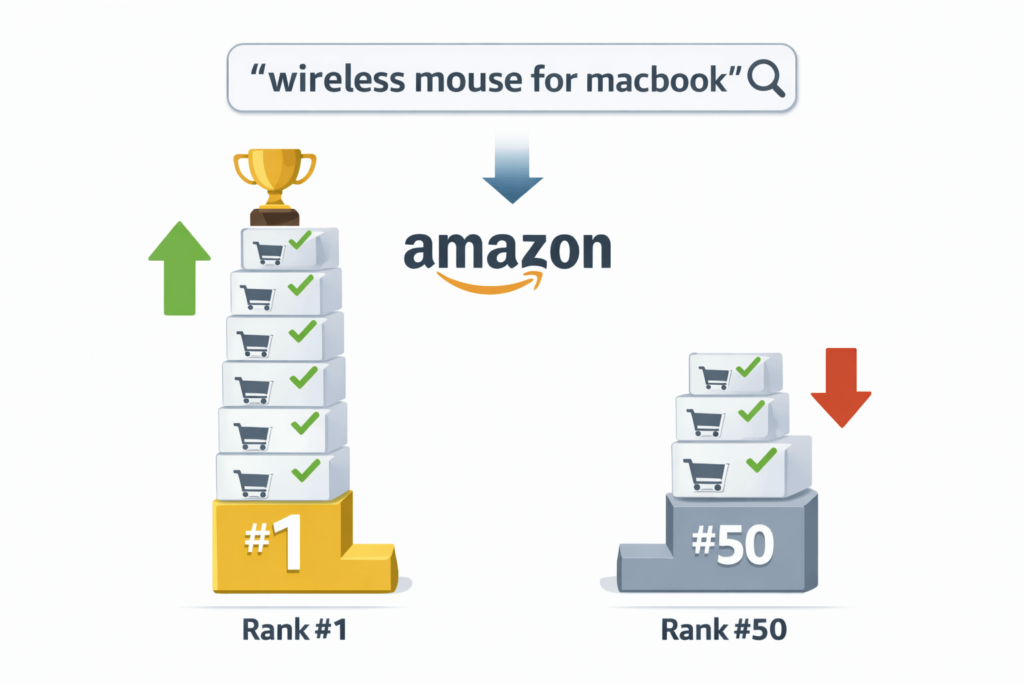
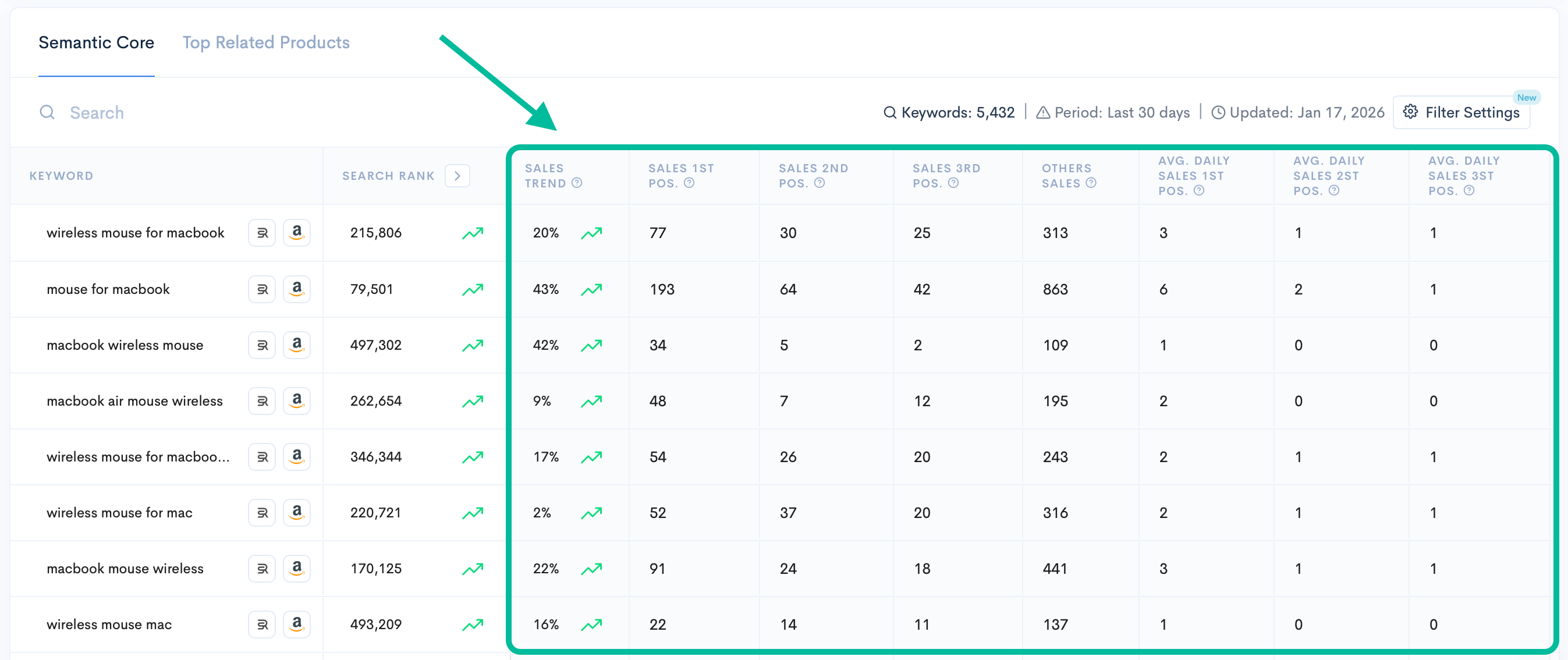
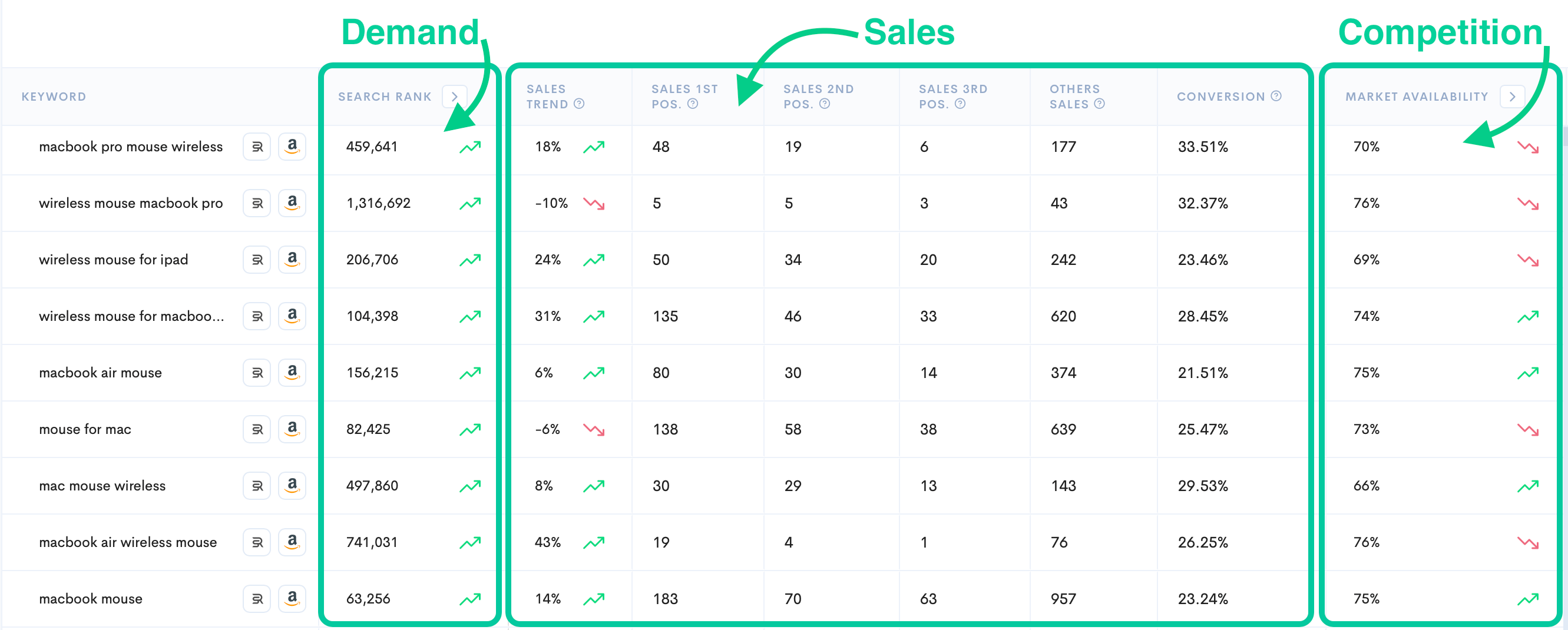
This lets you evaluate keywords based on real revenue potential, not just search volume.
2. Conversion Rate
Once Amazon shows your product, it watches what users do next:
Do they click?
Do they buy?
How fast?
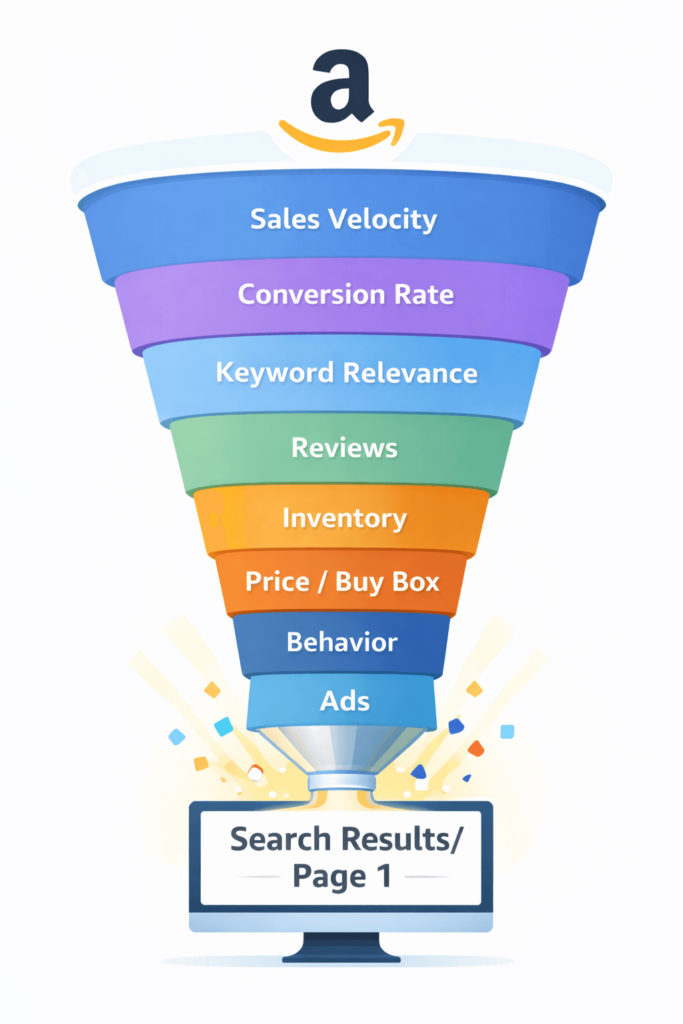
If your product converts better than others for the same keyword, Amazon understands that your listing matches search intent better. High conversion rate = stronger ranking signal.
That’s why:
Main image
Price
Reviews
Social proof (UGC, etc.)
All indirectly affect ranking, because they affect conversion.
3. Keyword Relevance & Indexing
Before Amazon can rank you, it must understand:
What your product is
Which searches it should appear for
This happens through:
Title
Bullet points
Description
Backend search terms
Category
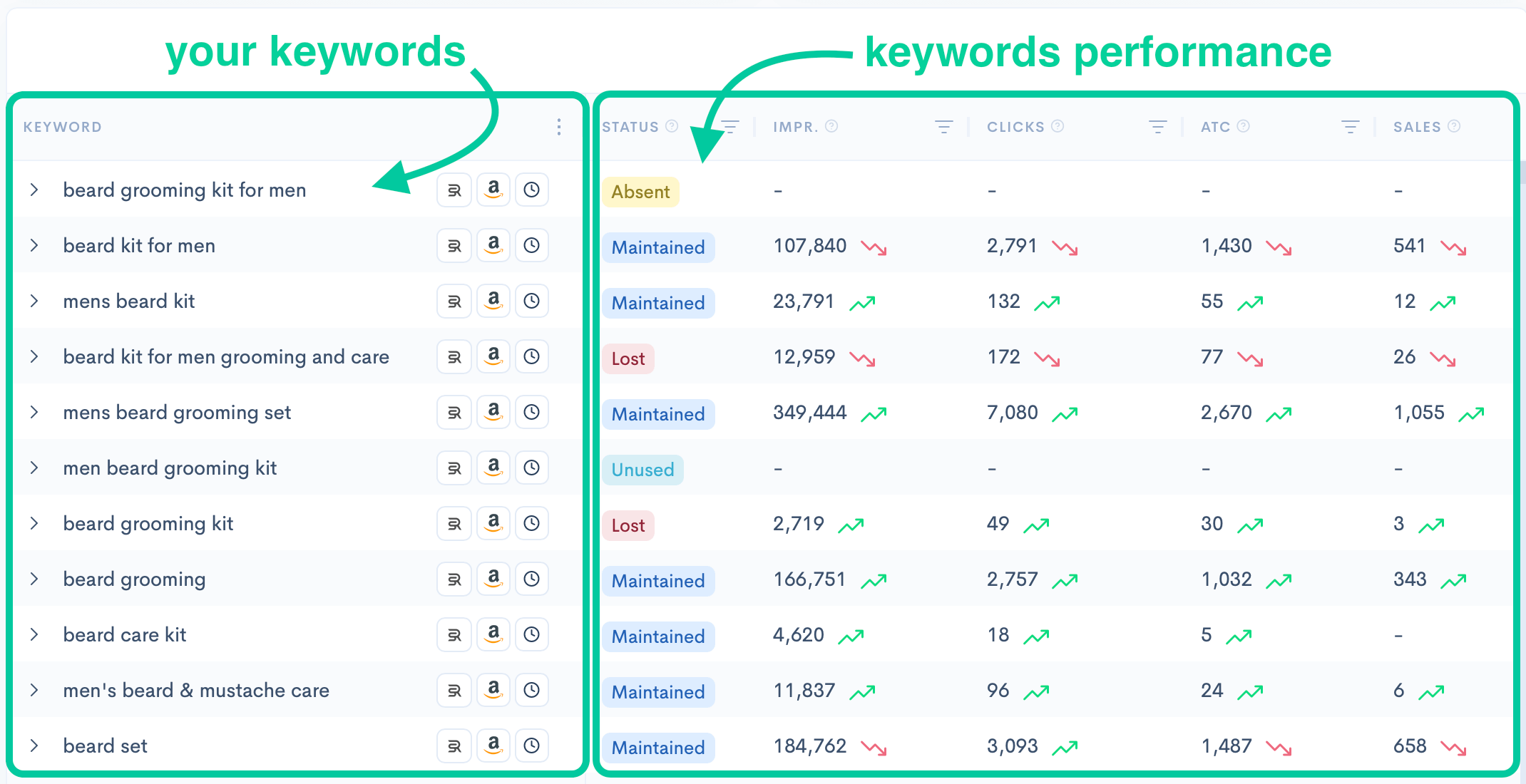
If you are not indexed for a keyword, you simply cannot rank for it. Indexing is the entry ticket to Amazon SEO.
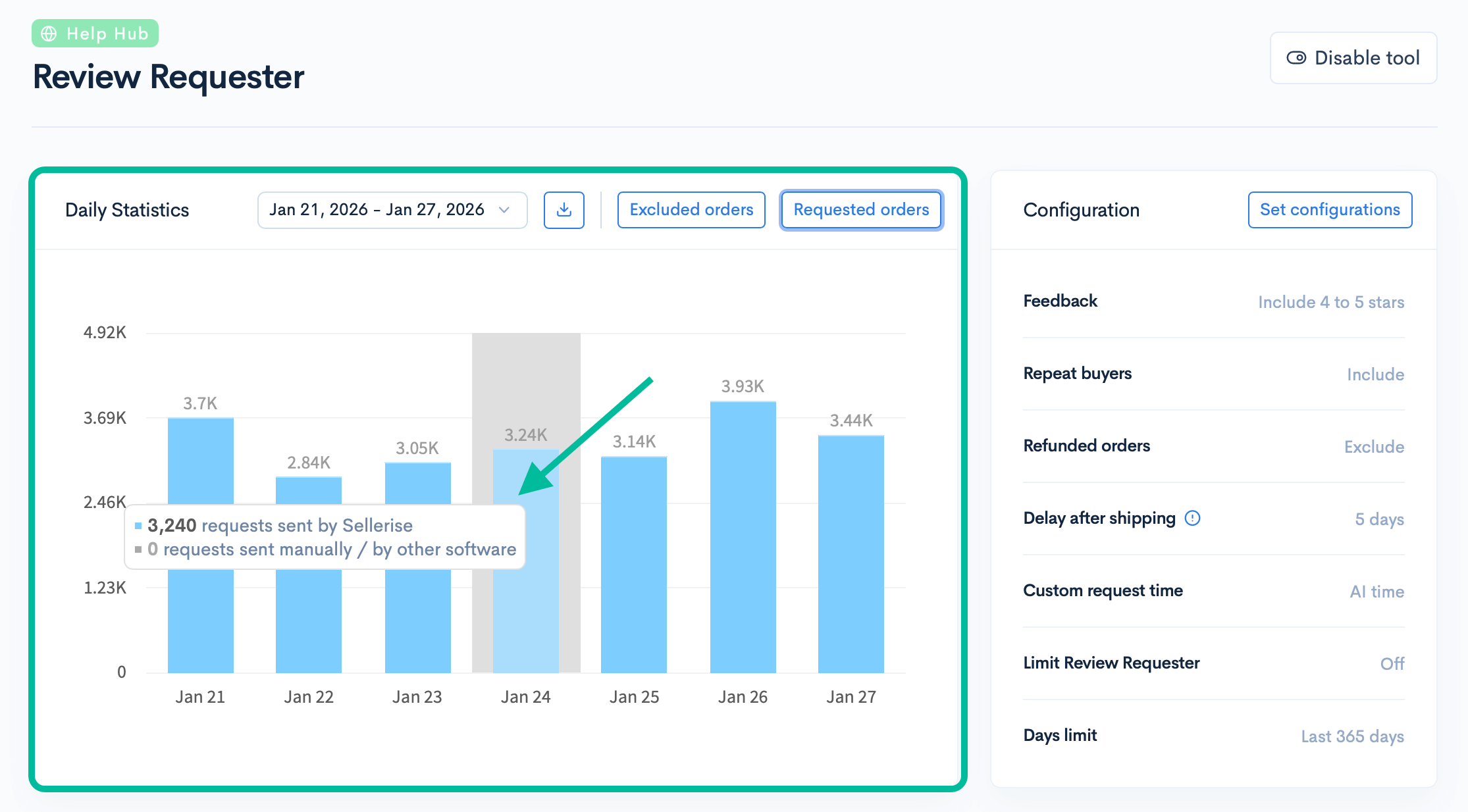
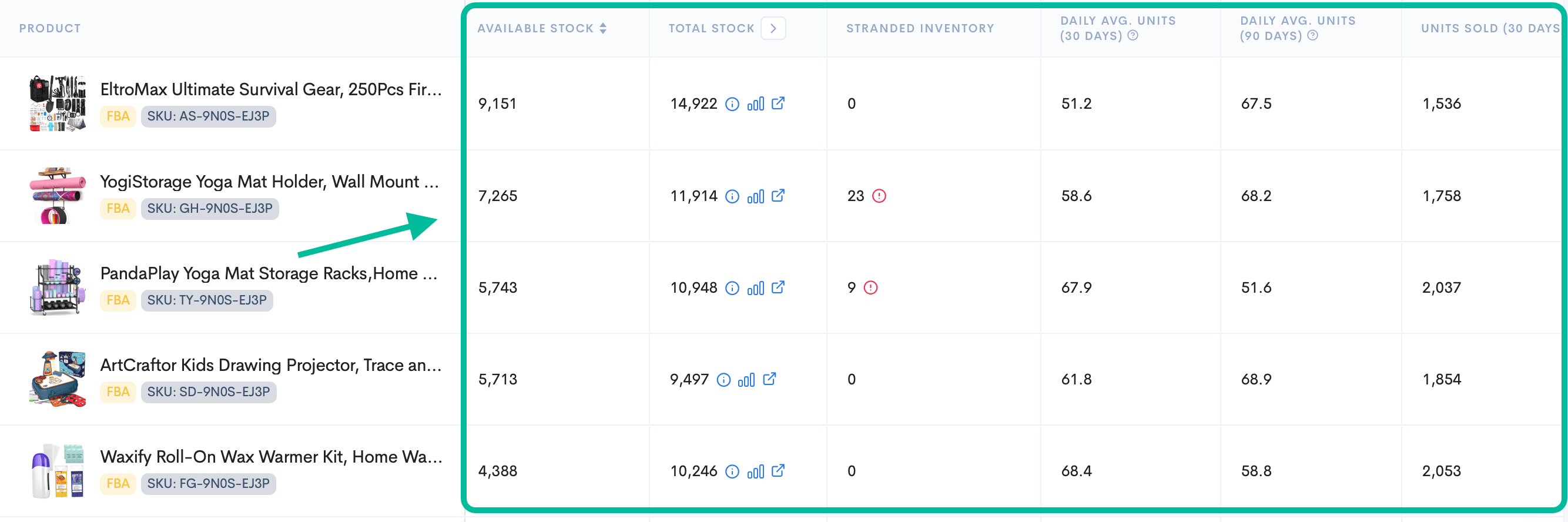
This helps you protect your rankings by avoiding invisible algorithm drops caused by stock issues.
6. Pricing & Buy Box
Price is not a direct ranking factor.
But price affects:
Conversion rate
Sales velocity
Buy Box ownership
Which are ranking factors.
So pricing influences ranking indirectly through performance. Too expensive = low conversions. Too cheap = low margin. The goal is competitive, not minimum.
7. Behavioral Signals (A10 Layer)
With the A10 evolution, Amazon also tracks:
Time on page
Add-to-cart rate
Brand searches
External traffic
These signals help Amazon understand:
“Is this product actually interesting for users?”
It’s not just what users buy, it’s how they behave before buying.